
Even a company that consistently generates sales can fail if it does not have enough liquid cash to cover daily expenses. Having a structured cash flow management strategy ensures that a business has enough reserves to withstand slow periods and unexpected costs. Controlling cash outflows is crucial for maintaining a healthy cash balance. Without proper oversight, even a business with strong sales can run into liquidity issues.
What is cash outflow, and why is managing it important
By understanding the formulas, avoiding common mistakes, and implementing practical strategies, you can gain control of your finances and pave the way for sustainable growth. Start by analyzing your current cash flow statement and identifying areas where you can improve. Utilize the tools and software mentioned above to streamline your processes. Examples of cash outflow are operating expenses, salaries, loan repayments, purchases of assets, and payments to suppliers. As is evident, the importance of effectively managing cash outflows is manifold. Effectively managing your cash outflow is crucial for maintaining financial stability and sustainability.
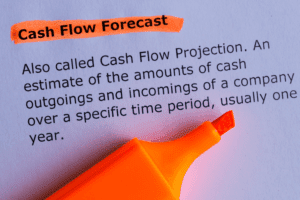
What About Cash Flow Forecasting?
As you can see, the inventory outflow always occurs at the time of the transaction (i.e when the product is sold), but cash outflow depends on the timing of the actual cash disbursement. Money can be sent at the time of purchase, OR when the inventory outflow occurs. Salvage value is the estimated value of an asset (like equipment or machinery) at the end of its useful life.
Ultimate Guide to Understanding Cash Inflow and Outflow
You can be able to improve cash flow by speeding up receivables, reducing unnecessary expenses, optimising inventory, and maintaining a cash reserve. Regularly monitoring cash flow statements and forecasting future trends also helps in managing cash effectively. Once you have determined both cash inflows and outflows, the next adjusting entries step is to calculate net cash flow. Net cash flow helps determine whether an entity has earned more than it has spent, or vice versa. Cash outflows are the expenses or payments made by an individual or business. These represent all the money spent, whether on operational costs, investments, or any other financial obligations.
Importance of Managing Cash Outflows
- We happen to know a great accounting tool that can help you with that (wink wink).
- They can also delay cash outflows by negotiating longer payment terms with suppliers and optimizing inventory management.
- Cash outflows are the expenses or payments made by an individual or business.
- This category includes expenditures on property, plant, and equipment (PP&E), as well as investments in securities, mergers, and acquisitions.
- Only by keeping tight control over these outflows will a business stand a reasonable chance of generating decent cash flows over the long term.
The story of Toys R Us shows what happens when outflows keep exceeding inflows. The company ended up in bankruptcy despite being profitable and beloved because it couldn’t generate enough cash to cover debt payments and operating expenses. Understanding cash inflow vs outflow it is crucial because it provides insights into a business’s liquidity, financial health, and ability to meet its financial obligations. It helps in making informed decisions, managing day-to-day operations, planning for future investments, and assessing the overall sustainability of the business. Cash is then utilized to cover various expenses and obligations, including operating expenses, loan repayments, purchasing assets, and other payments. Positive cash flow is a useful indicator of the financial health of any business.

For a more detailed exploration of cash flow calculation, refer to HighRadius’ comprehensive guide. Strategies to improve cash outflow management include setting up a cash budget forecast and regularly monitoring financial flows. Using debt collection software facilitates real-time tracking and the detection of budget variances. A cash outflow is an outgoing payment made by a company to settle its expenses, investments or financial charges. Managing cash outflows ensures timely debits, payments and a positive relationship with creditors.
- By taking these steps, businesses can improve their cash flow and ensure that they have the funds necessary to meet their obligations.
- Improper inventory management can lead to high costs and poor cash flow.
- The company collects customer payments before paying suppliers, which creates a negative cash conversion cycle.
- By applying these strategies consistently, you can improve your financial flexibility, avoid cash crunches, and stay better prepared for both opportunities and setbacks.
- When it’s strong, you’re in a much better position to make smart moves, stay flexible, and handle challenges as they come.
- The cash flow statement summarizes the cash inflows and outflows during a specific period.
- If a business’s expenses are too high, then it will have less money to spend on other things, such as inventory, rent, and employees.
- Proper cash flow management is essential to maintain healthy liquidity and avoid financial strain.
- If they made $2000 in sales and paid $400 in operational costs (like payroll or rent), their operating cash flow would be $1600.
Tax complications, legal risks, and accounting headaches emerge when you mix business money with personal funds. This blending makes expense tracking difficult and might trigger tax authority penalties or audits. Reflects the overall financial health and long-term sustainability of the business. Derived from revenue generated by core business operations and reduced by various expenses. Based on accrual accounting principles, recognizing revenue and expenses regardless of actual cash transactions. You’ll know exactly what you’re paying before you accept the loan, with no hidden charges or surprise fees.
It is crucial to effectively monitor and track cash outflows to ensure financial stability and avoid liquidity problems. Effective cash outflow management also helps in maintaining adequate liquidity levels, which is essential for meeting short-term obligations and capitalizing on Foreign Currency Translation unexpected opportunities. Ultimately, a thorough understanding of cash outflow enables companies to enhance their overall financial stability and resilience in the market. A cash flow statement is divided into three sections, one for each activity type.
This statistic alone highlights how crucial it is to maintain a steady and well-monitored flow of cash. When inflows don’t keep up with outflows, even profitable businesses can quickly run into trouble, missing payments, defaulting on loans, or halting operations. It is important for businesses to understand the impact of positive and negative cash flows to determine and analyse cash flow forecasts thoroughly.
A cash outflow is when money flows out of a business or individual’s account, and it can often be the cause of financial stress and careful budgeting. Cash management plays a crucial role in ensuring that cash outflows are effectively monitored and controlled. It involves the strategic planning and implementation of strategies to manage the movement of funds within an organization or personal finances. Purchases and sales of property, plant, and equipment (PP&E) assets are unique. The purchase of long-term or fixed assets is shown as a cash outflow on the cash flow statement, while depreciation of those assets appears on the income statement and balance sheet. When you sell the asset, it is recorded as a cash inflow on the cash flow statement, and PP&E on the balance sheet is reduced because you no longer have the asset.

コメント